Posts Tagged “book”

back_1

Please introduce yourself. Where are you from? When did you start photography? Did you paint before starting photography?

My name is Ruediger Glatz aka Ruedione and i come from the beautiful city of Heidelberg in Germany.

Like many people I’ve shot photos my whole life.  When i was 7-8 I had as well some darkroom moments with my father, but the real start of my photography was in 2000…soon i became a photonerd.

I started to write around `91 but slowed down around `98….today I piece just once a while, but can’t claim myself being an active writer.
My focus is on my photography
back_3

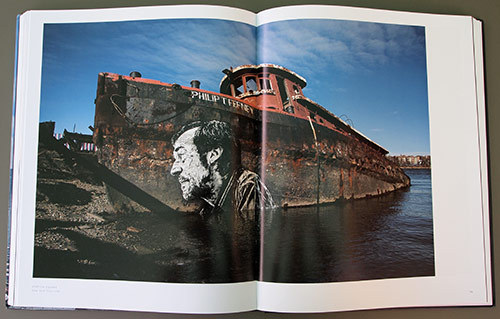
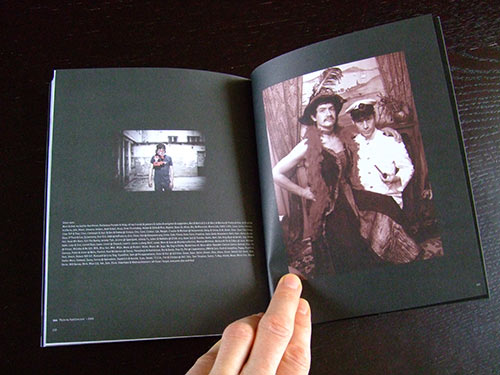
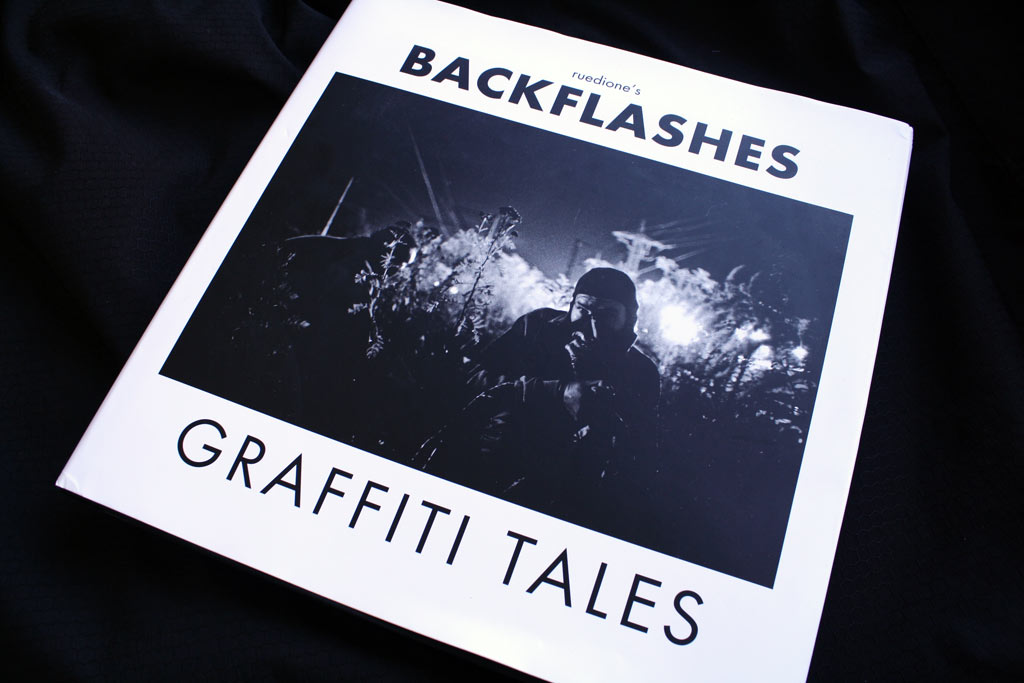
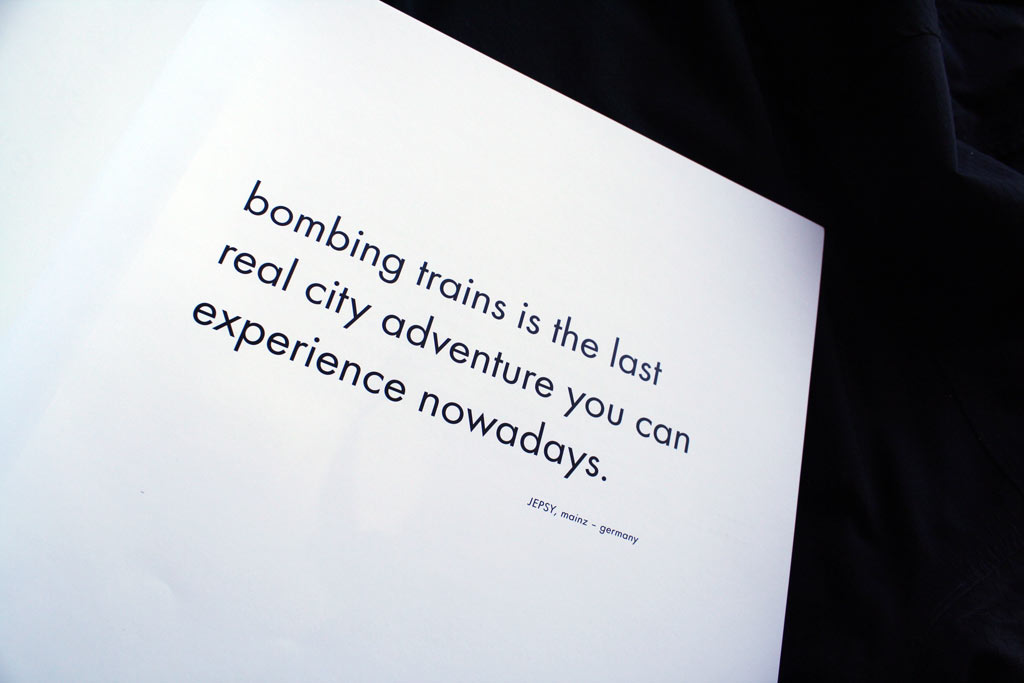
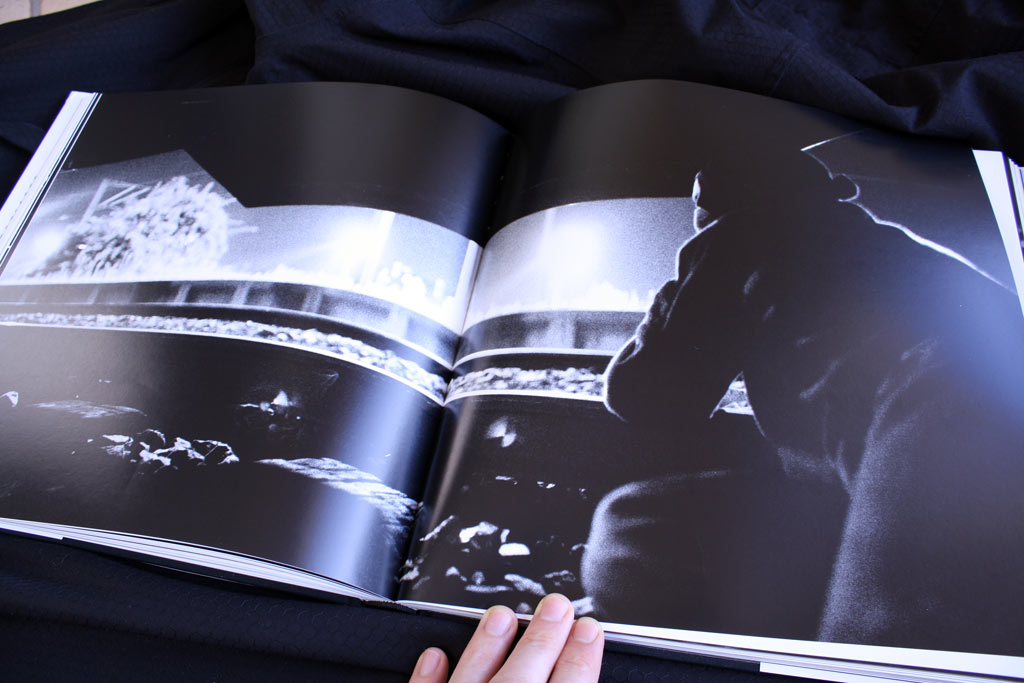
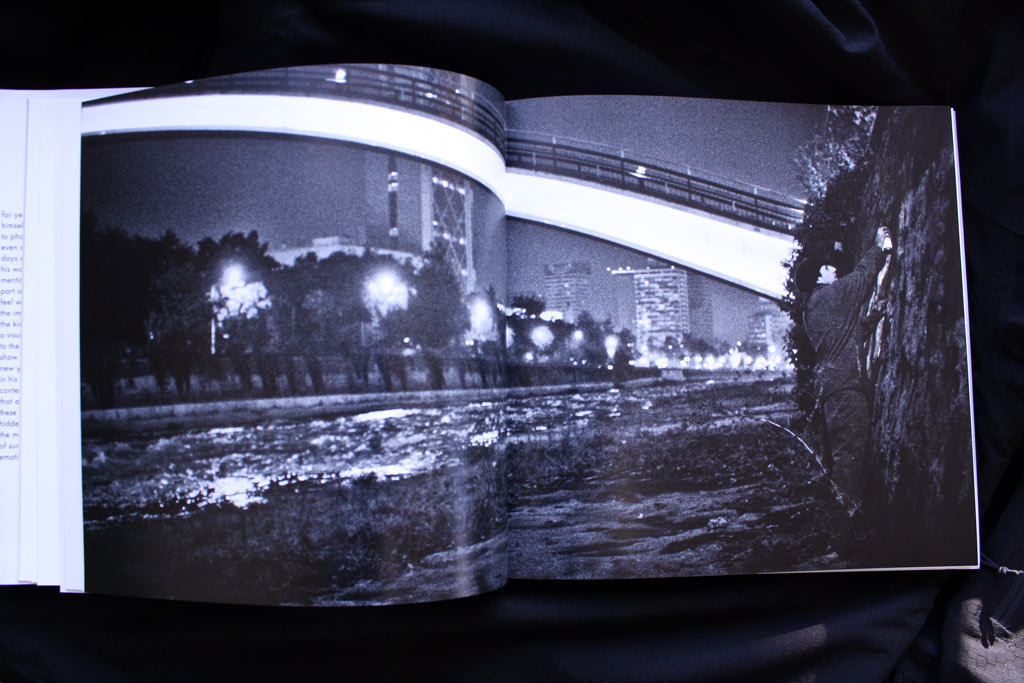
Backflashes is a big book with large pages and only 1 big photo per page. Was it important that your photos were presented on such a big format?

The book was still a compromise for me….if it was only on me, i would have put just one image per doublepage, but i was as well grateful to the publisher, as doing such an uncommercial book in this period of time, while tons of graff books come on the market and most sell way less, than they used to sell, is a certain risk I appreciate a lot.

indeed…this kind of presentation was important to as I want to see my “babies” getting the right focus.  The composition of an image is very important to me…normally i don’t crop my images. I go even so far, that the images in the book, that go over a doublepage and had get cropped for that, fall in my eyes under grafic design and are no more part of my photos in that book.

I personally don’t crop to push myself becoming better. With crops you can easily optimize your images and you don’t  have to focus much while shooting.

The presentation of my images is quiet an emotional point for me.
back_4

Your photos are all in black & white and some are a bit noisy. They look like film photography. And it works great for night photos. Do you like the current trend of clinical precision that allow digital photos? (and by the way, do you actually use digital cameras?)

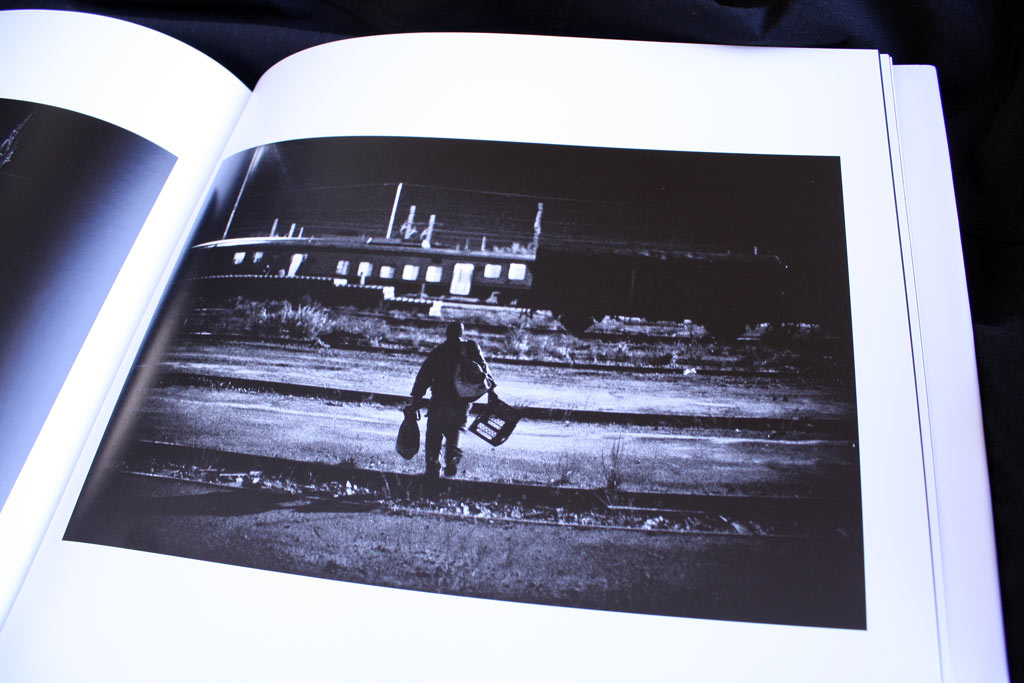
When I started this series in 2002 I was strictly shooting film and the T-MAX3200 gave me the needed speed to shoot this series. I like the grainy and raw look of this film and had the feeling, that this format was supporting my look.

In 2005 i switched to digital, as the first camera came on the market, that gave obviously better results than film plus i found a mentor who opened my eyes for a certain general view on photography.

…but i kept the same look for the series.

Today I shoot mostly digital, but use film for some series.  I experiment a lot with all kind of cameras and always try to push limits.

I am very grateful for the possibilities, that the digital photography gave me, the same time you have to be aware of all kind of risks, that come with that medium.

When i shoot a series i always make up my mind first, what kind of style is underlining my message. I do shoot as well “technical perfect and precise” digital images, but for most of my series i use a retro look, as it gives me the emotional intensity, that i always look for in my images.
back_5

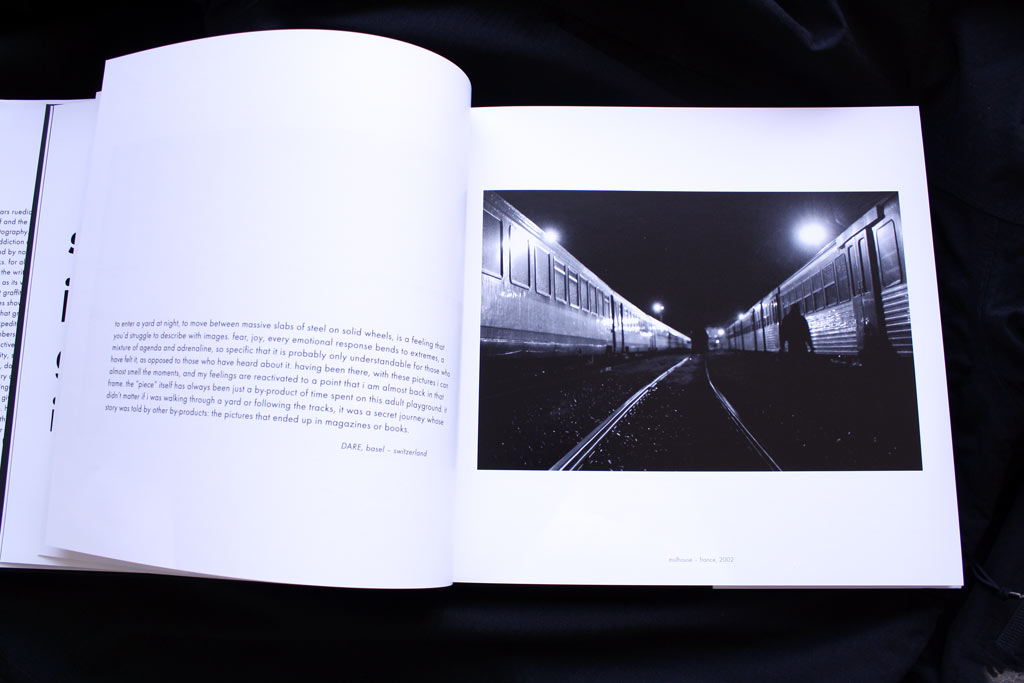
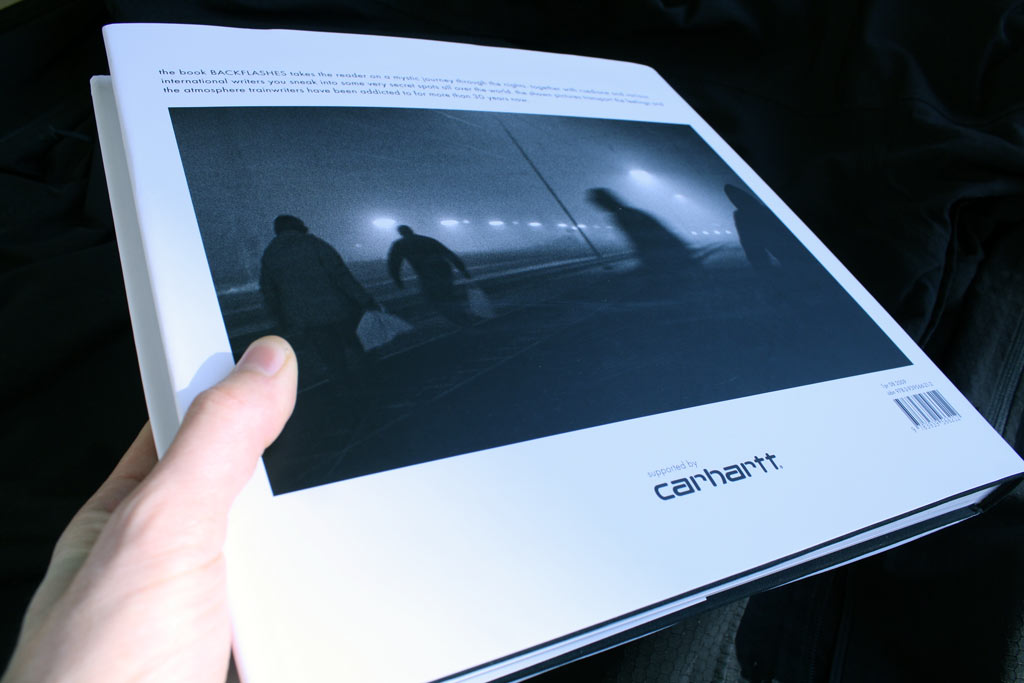
Backflashes must be one of the 1st books about graffiti where it is not shown a single graffiti. Is it a way for you to tell that adrenalin, friendship, tension, & night-missions are what really matters in the graffiti?

I see my book being the second book, as Alex Fakso published his HEAVY METAL in 2006.

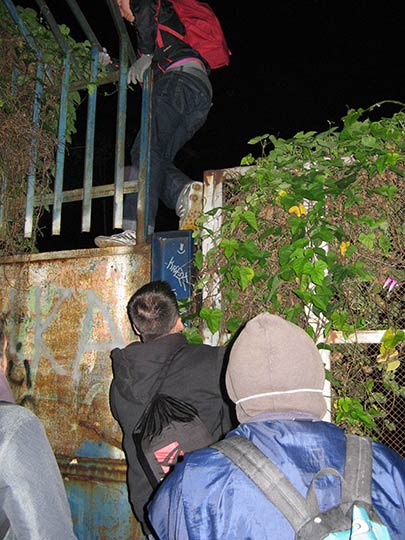
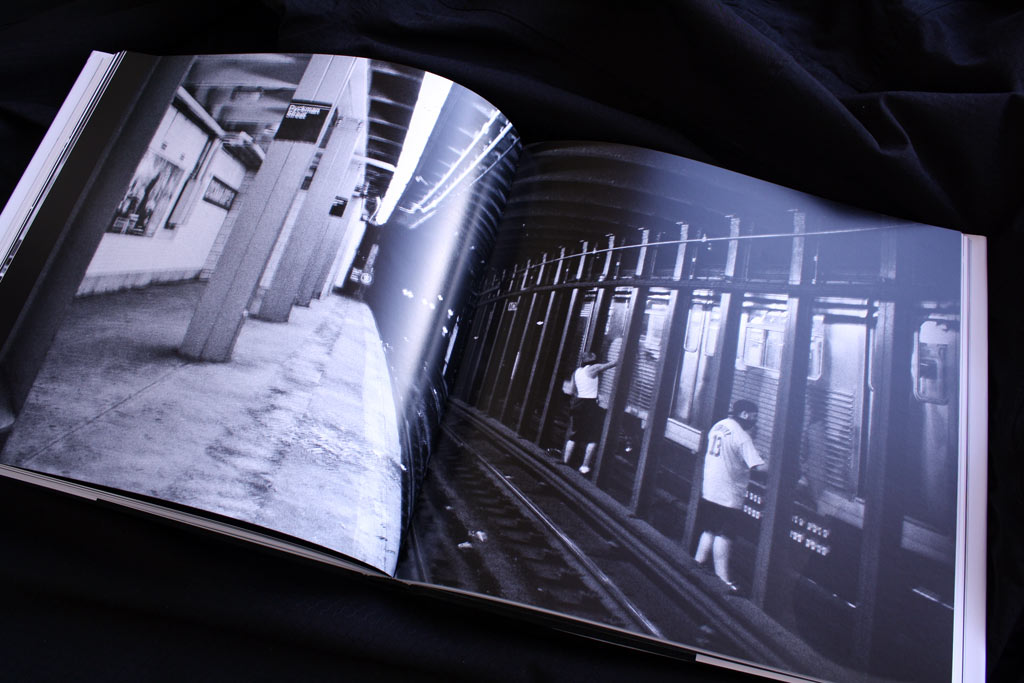
My aim was to visualize that feeling that kept me going out at night for so many years. Graffiti -and specifically bombing- influenced my life a lot and i wanted to preserve that precious feeling for me and others, that might be interested in grabbing the book in 10-20-30 years and get a backflash.

The way i chose to shoot the series in, has the focus completely on the feeling….the identities of the persons are totally not relevant…it is even important for me, that they are not being recognized, as graffiti is a movement, that creates idols, who might disturb what I was looking for.

In a way i think that the community aspect of graffiti is probably the most important factor to me, that made this movement so special to me, but this is somehow what my next book is about…i am already working on for 7 years. BACKFLASHES is all about the bombing-feeling itself.

…a piece made for night-lovers.
back_6

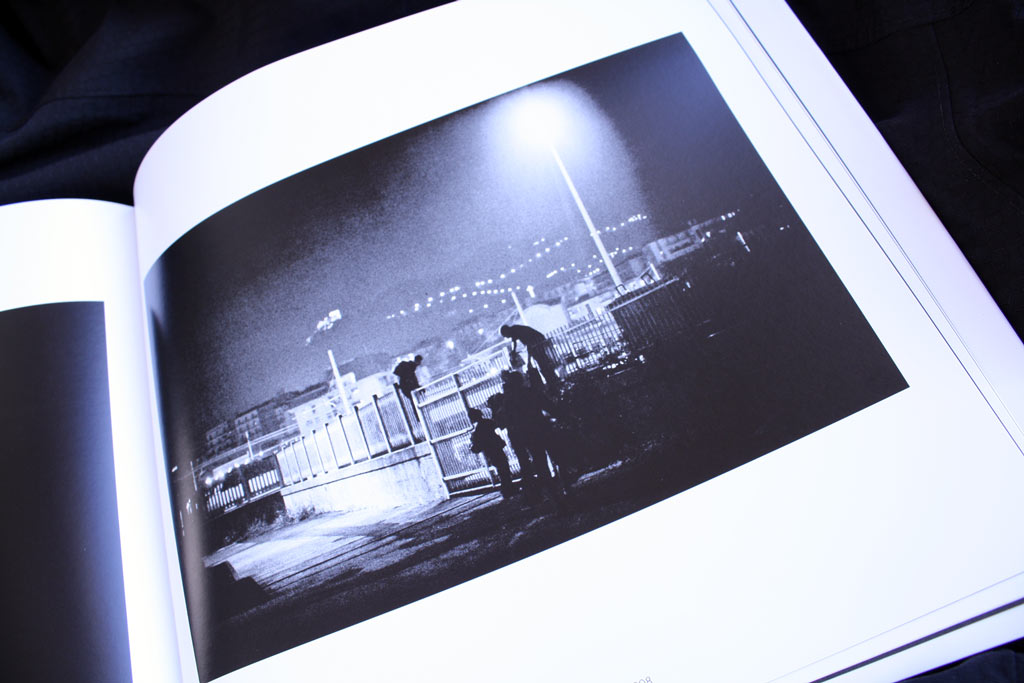
As a former graffiti writer, is it frustrating sometimes to take some risks with people in front of a train and not painting on it?

It is funny…it seems that this is the question almost everybody asks me. The answer is quite simple. Photography is no different than writing for me. It is about style and achieving aims, therefore I always saw myself as part of the production, but in another way. While i spent formerly 7-8 hours on a mission plus had to chase in the morning trains (what was as well special to me) to get my piece, i join today the production and have mostly 10-20 masterpieces in a very basic format on me. Those I can finish in the perfect moment. You could compare it to a writer, who does his firstlines and fills in the yard, but is able to do his outlines at home.

This was always a wonderful way of working for me.

As well i was never able to satisfy my personal view on quality and style in writing, while i am able to do so in my photography. Of course there still has to be a certain challenge, to be able to evolve, but i love my images and it feel like carrying home babies.
back_7

Which photographers do you admire most? Did some of them influence your own style?

I wouldn’t say that there is a specific photographer, who influenced my style or who i even admire.

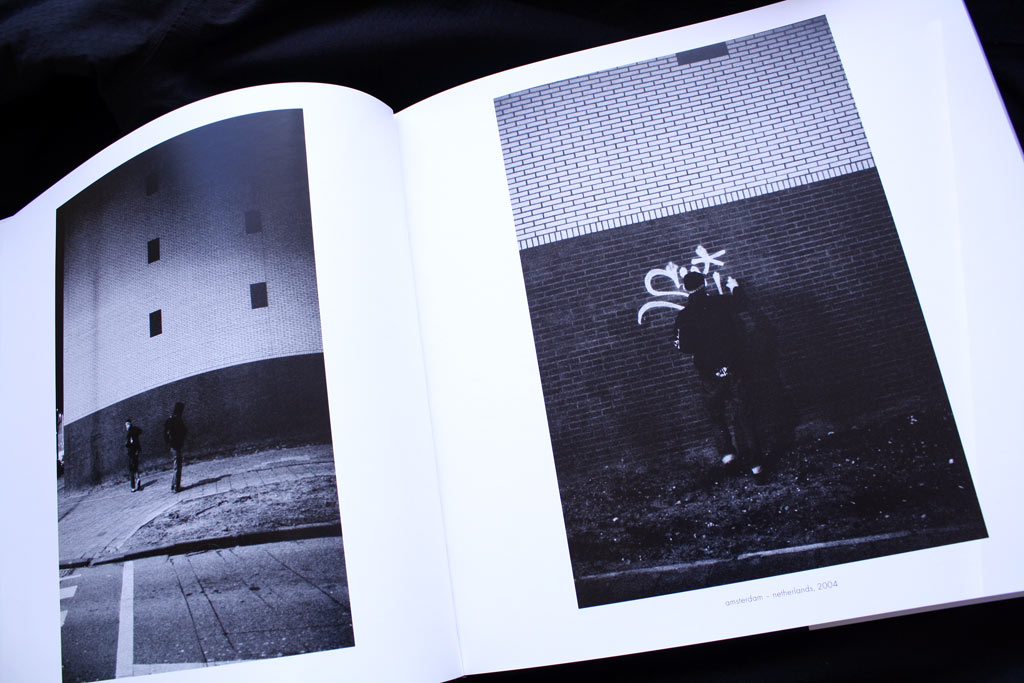
When i started in 2000 very soon the images and the approach of MAGNUM photographers like Bresson, Burri and Capa influenced me, but over the years i had the feeling something was missing and it were finally images of the American civil war and other vintage prints, that showed me what i was seeking for.. that influence added darkened edges and a certain retro look to my style. Somehow the opposite of what seems to be perfect to the most is perfect to me … it gives warmth and emotional focus on details to my images and this is what was a bit missing before. I never wanted my photography to be neutral.

Several years ago the concept of “stars” faded for me and today i don’t see any photographer or “star” in general, who I would like to switch life with…i enjoy my life.
ruedione

Is this book the end of a period of you life? Do you still shoot graffiti writers or like Alex Fakso you are now experiencing new photographic themes?

I would say that this book was about a former period of my life, that was even over, when i started shooting…so i called it BACKFLASHES.

Since i started taking photos, the challenge of learning was always a very important matter to me. Therefore i shoot since years as well photos in other directions than graffiti, but i like to separate things. About 4-5 years ago i started to work also as a photographer, but what i shoot job wise has nothing to do with my personal work…but it keeps me learning.

Next to BACKFLASHES i have other long term projects i was working on, and since i finished BACKFLASHES in December 2008, i focus on my series ARTISTS (just a workingtitle), that i started shooting for in 2002-2003.  Here i shoot portraits of around 90-95 protagonists of the graffitimovement. I join them sometimes for a couple days and the focus is on the person and their living environment…this series should be finished by the end of 2010.

…but there are a couple more series. I am addicted to shoot and i enjoy it a lot.
ruedione

And a last one if I visited Heidelberg, which are the places I shouldn’t miss?

It depends on the day, but for sure you shouldn’t miss the ZUCKERLADEN …a crazy candystore with a crazy owner.

I always call Heidelberg “happy land” as everything seems to be alright and good.
backflashessss

http://www.ruedione.com/

http://www.backflashes.com/
backflashes book

Comments 8 Comments »

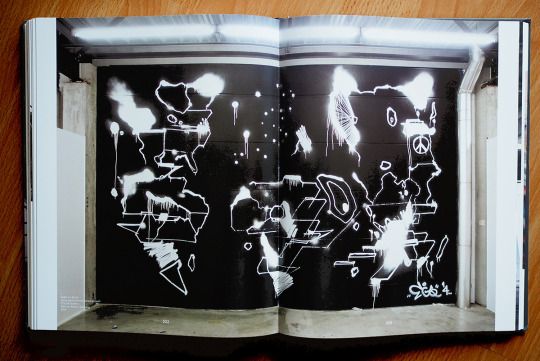
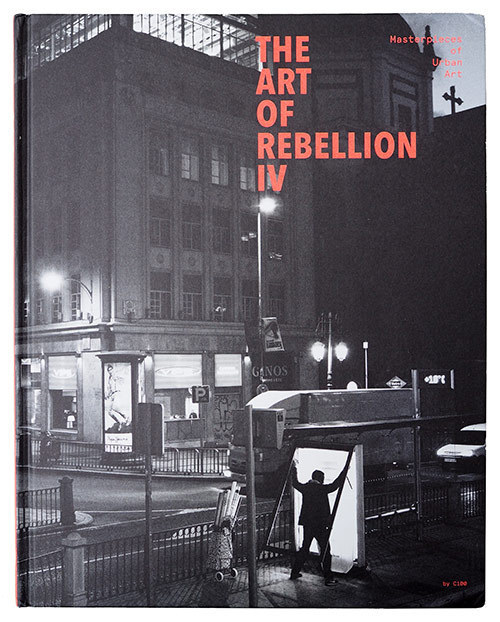
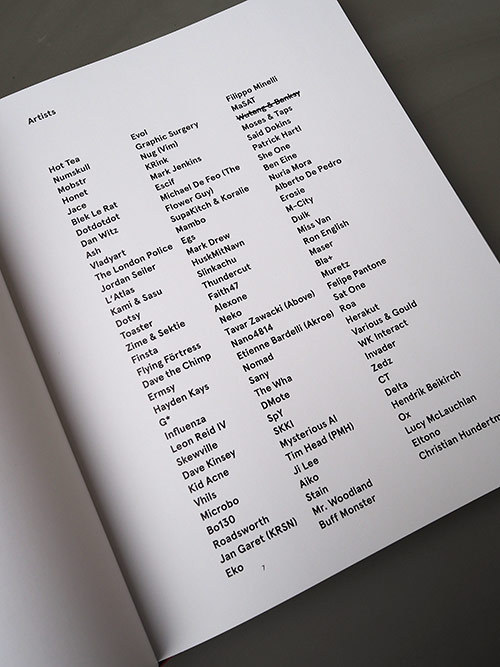
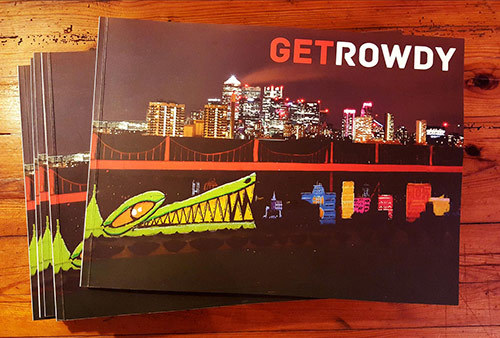
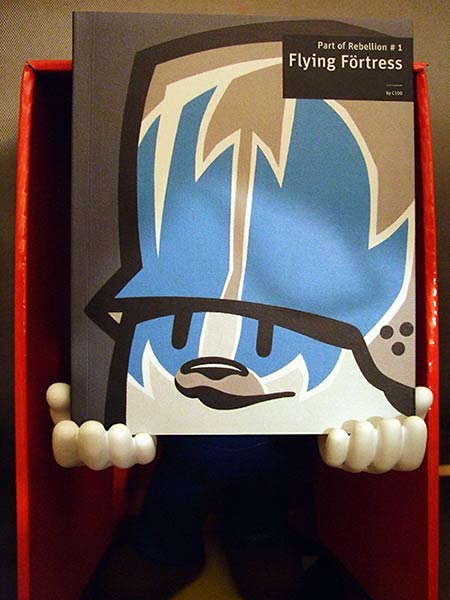
C100 published 5 years ago; “The art of Rebellion“,
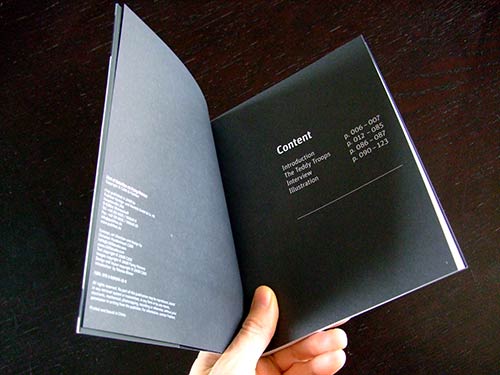
the 1st book about the so-called “street-art scene” of the early 00’s.
He’s back with a new book collection…

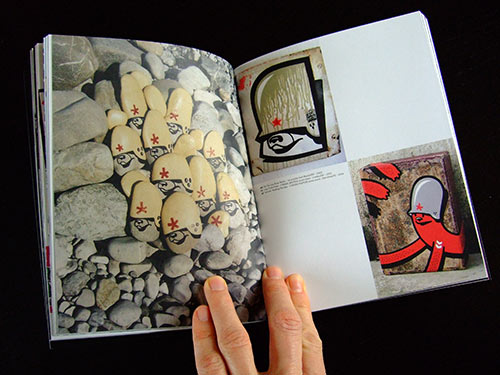
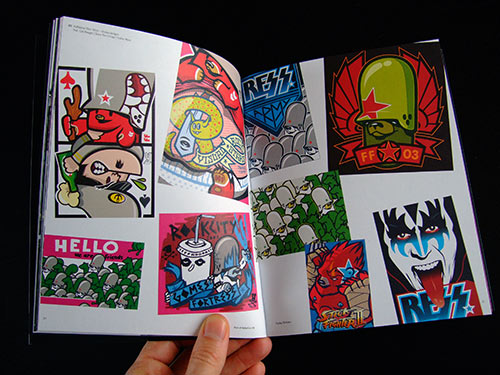
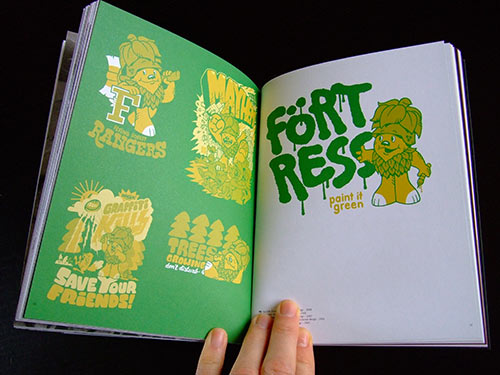
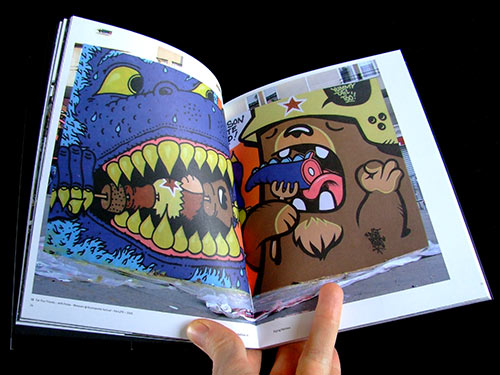
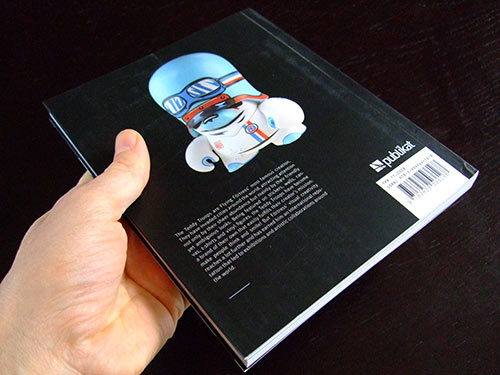
“Part Of The Rebellion: Flying Fortress” seems to be the 1st book of a new collection.
Why have you choosen Flying Fortress for this 1st book ?

First, he is a good friend of mine – we know each other since we started with traditional graffiti in ‘89 or so.
We both got into street art again in 2000 after a few less active graffiti years and did some stuff together.
And: his art is perfect to introduce the concept of the book to the audience as he both still works on the streets, exhibits in galleries  and also does commercial work.
Also, he is well known worldwide and stands for good quality so there is a chance people probably buy the book :-)
Do you already have selected the next artists for the future books ?
Yes we have, but some aren’t 100% confirmed so I can’t tell you more at the moment. Currently I’m working on #2 with Dave the Chimp – it’s a honor for me as I really love his work.
I can guarantee that people will be stoked about his new works! It’s coming out in Spring 09 and after that #3 will be out in Summer 09…
We planned to bring out 3 books per year.
Does the book company wait to see if FF book is a best-seller before
launching a 2nd book ?

No we immediately started working on #2. The book company are personal friends of mine, we know each other from the graffiti days in the early 90s.
They are totally into it – they don’t do it only for the money, so do I. We just think this is the perfect strike against all those cheap but low quality books that are thrown on the market where one guy just walks through i.e. Berlin or London - takes a few photos and doesn’t even care about any artist credits or what he is photographing…

We want to do proper art books to show that this is a true art form.

Art of Rebellion was released about 5 years ago now. Do the street-art
scene has changed a lot according to you ? Is it better now than it used
to be ?
Hmm. that’s a difficult question – it definitely has changed both in a good and bad way.
There are artists who now can make a living out of their art, which I think is a great thing.
The are great exhibitions, etc.
I think the quality level  is still good & even progressing! Sometimes there are still works/ideas/concepts that totally suprise me – that’s when I think: Damn I wish I had had the idea ;-) .
In the end I’m glad that the expected trend of street art wasn’t that big. There was a time when everyone was doing stickers and called himself an artist which was pretty lame -
luckily this calmed down. Nowadays, there is less street art to be found in the cities compared to 5 years ago, which is also due to new laws and cleaning programs (R.I.P Barcelona) but still you see good stuff every now and then. It’s all good!

http://www.flying-fortress.de/
http://www.publikat.de/
http://www.c100studio.com/

Size : 15×18.8cm – Pages 128 – 14.90€ – Isbn: 978-3-939566-16-8 – English – Softcover

Comments 13 Comments »

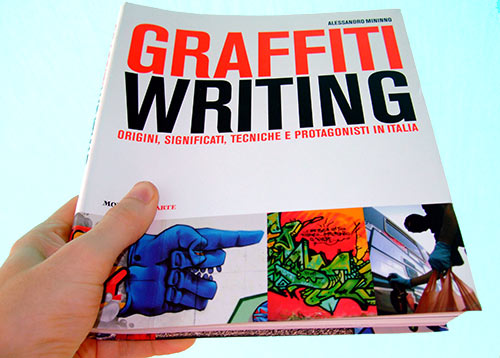
** Graffiti Writing **

Origini, Significati, Tecniche e protagonisti in Italia.

Interview with Alessandro Mininno

Is your original idea to make the definitive book about graffiti in Italy ?

No! You can’t do a definitive book about something that hasn’t yet come to an end (for the same reason there are no definitive books about contemporary art, for instance). “Graffiti Writing” is an introductory book about graffiti: it is meant to be readable by the widest possible audience. People tend to hate what they don’t understand: I wrote the book hoping that people will start reading and understanding tags and pieces. If they like them or not, I don’t care – yet I still think that tags are beautiful, and I wanted to show some nice panels and throw ups and explain what’s behind it.

Graffiti is an Italian word, but “Graffiti Writing” doesn’t sound much like the title of a book about graffiti in Italy, no ?

I didn’t like the word “graffiti” alone, but it has to be there for indexing and search purpose… so I used the expression “graffiti writing” as a single word. In Subway Art they say “graffiti writing in new york is a vocation, a tradition that is handed down from one young generation to the next….”. The book is about graffiti writing, not about “love” graffiti or “football” graffiti or cave graffiti or political or other street stuff.

In the 90’s Roma & Italy were known to be a good place to paint wagons. Train companies didn’t really buff the pieces. What’s the situation right now ?

I think Italy is still a good place to paint trains, but as you probably know wagons get cleaned very easily in a couple of days, thanks to a plastic protection film, since the end of 1999. It was a radical shift of mentality: before 2000 you painted to see your piece running for years. Now people paint mainly for the action, documentation of your piece is more important, it’s hard to find an already painted car and (because of the short running time) you have to paint a lot to get noticed. It has become a completely different kind of sport (it’s like everywhere else in Europe I think).
Hundreds of people still paint trains in Italy and you can see a lot of quality stuff in the stations. Many oldschoolers started to paint again this year, and I’m pretty happy to see again trains by Hekto, Napal, Rok just to name a few.

There are many many photos in “Graffiti Writing” where do they come from ?


Sara and me asked the 250+ photos in the volume directly to the writers (mostly). We collected some 5.000 pictures and we (me and Sara) have a completely different taste, so choosing which one to publish was pretty difficult.
I would like to thank all the writers who gave us pictures… without them the book would not exist. We received VERY nice flicks by some great photographers too, and we’re pretty happy about it (names here).
The book does NOT represent the Italian scene (that’d be impossible for a book, you have magazines for that purpose). The book tries to show some styles (throw ups, tags, whole cars and so on) and to tell some stories, in the most accurate and scientific possible way. I wanted to do a understandable book about graffiti with trains, tags and throw ups: there’s an overload of hyper-specialized book about graffiti (I read them) but I think that they’re cryptic for most people. Otherwise, wide-audience books only represented hall of fames or characters, so they’re easier to sell but I don’t like them (I particularly hate big collage books like Graffiti World and the like). I had the possibility to do something that represented my own view on graffiti: letters, trains and vandalism. I hope that someone will dissent and criticize – we made choices, we’re up to support them.

Can you tell us the name of an Italian graffiti writer we probably don’t know and that would deserve more publicity ?
No, I can’t.
I could tell you who are my favourite writers, but that’s only my personal taste… it’s worth nothing. I think that the only way to see what’s fresh in Italy, is to take a trip around Roma or Milano, and walk the streets or choose a good bench in the station. Remember always that what you see on the internet is only a very small slice of the cake, and not always the best. :)

Can you choose 5 pages from the book, and tell us something about them ?

First of all, I really love the page where Verbo (Meta2) paints in the Genoa layup, during the G8 manifestation, and you can see the demonstration on the background of the flick. I think that is invaluable documentation (the photo is by Olafpix.net).

That’s the same reason why I love the photos by Alex Fakso where people removes the anti-graffiti film from the wagons, using a cutter . That demonstrates pretty well that you can try to eradicate graffiti, but you can’t stop the writers. They always raise the level and paint higher, with stronger tools, on the most forbidden surfaces. That’s a magical struggle against he monochrome dictatorship.

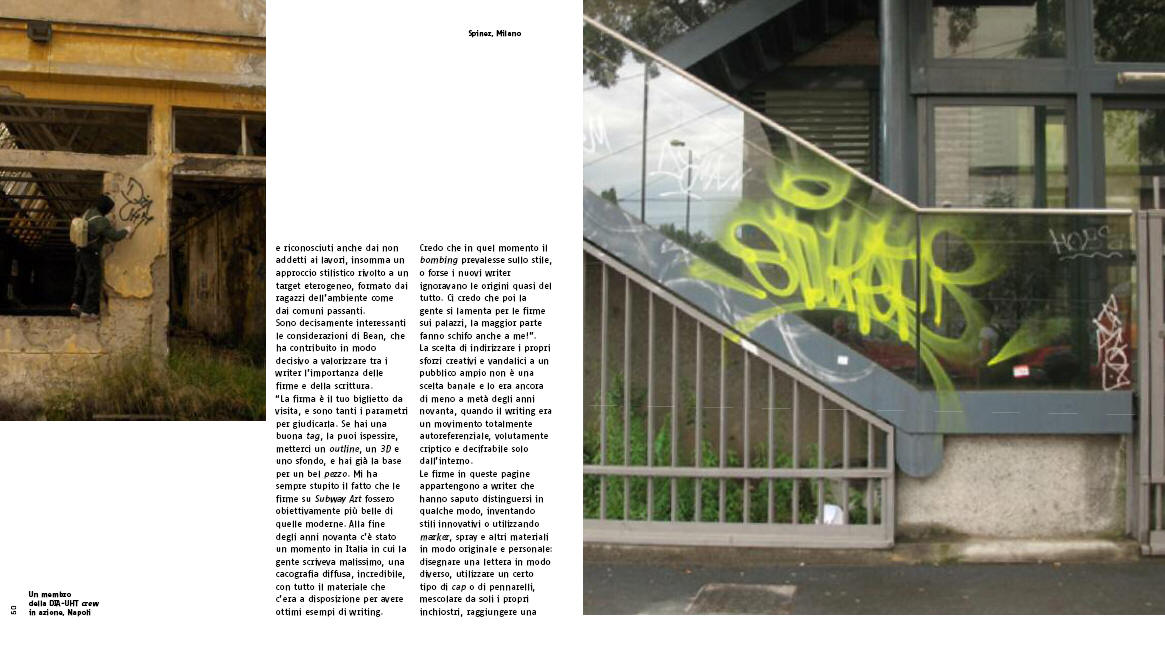
I like this Spiner tag: scribbles are the most hated form of graffiti, yet totally I love them, and this particular tag (in my opinion) shows very well that a signature on a wall could be typographically beautiful, well executed and brilliant.

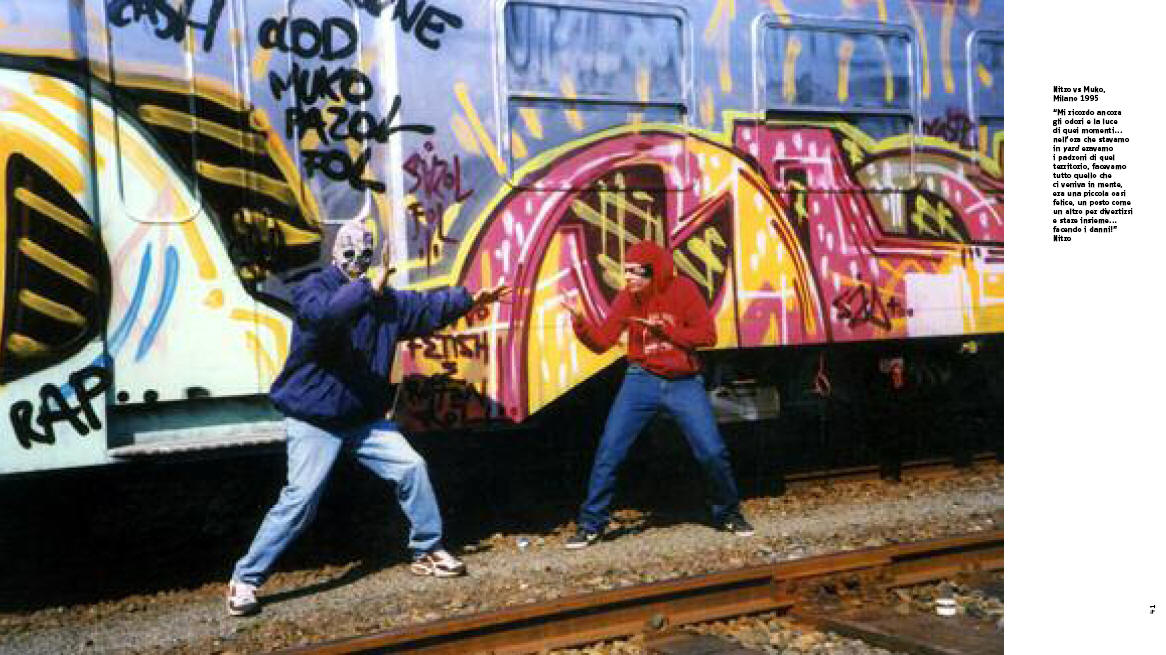
From the (little) historic chapter, I would choose the closing page: Muko and Nitro in 1995, masked in the trainyard, in front of a smashing whole car, developing a style that would not be possible without montana spraycans. graffiti was changing, becoming more aggressive, straight and ugly.

The interrailers chapter is one of my favourite. Very little books documented this scene, even if it’s one of the best things european vandals created.


All the photos that illustrate the interview are original unpublished photos.
Thank you Ale.

http://graffitiwriting.fatbombers.com/
ISBN: 9788837053307
29 € – 236 color pages

Comments 6 Comments »

** Graffiti Writing **

Origini, Significati, Tecniche e protagonisti in Italia.

Interview avec Alessandro Mininno

L’idée de départ de ce livre, c’etait de faire le bouquin définitif sur le graffiti en Italie ?

Non ! Tu ne peux pas faire un livre définitif sur quelque chose qui n’est pas encore terminé (de la même manière il ne peut pas y’avoir de livre définitif sur l’art contemporain par exemple). « Graffiti Writing » est un livre de présentation du graffiti : C’est sensé être lisible par la plus grande audience possible. Les gens ont tendance à détester ce qu’ils ne comprennent pas : J’ai écrit ce livre avec l’espoir qu’il permette aux gens de commencer à comprendre et à lire les tags et les graffs. Qu’ils aiment ou pas, peu importe – même si personnellement je trouve toujours beaucoup de beauté dans un tag, et je voulais montrer de beaux panels et throw-ups et expliquer ce qu’il se cache derrière.

Graffiti est un mot italien, mais “Graffiti Writing” ça fait pas trop titre de bouquin sur le graffiti italien non ?

J’aime pas le mot “graffiti” seul, mais il fallait qu’il soit présent pour faciliter l’indexation du livre et les recherche sur le sujet. C’est pourquoi j’ai utilisé l’expression « graffiti writing ». Dans « Subway Art », ils disent « Le Graffiti writing à New York est une vocation qui se passe d’une jeune génération à la suivante… ». Le livre est sur le « graffiti writing », pas sur les graffiti d’amoureux (C+F= Amour Eternel), ni sur le graffiti politique, de football des catacombes ou autre.

Dans les années 90, Rome et l’Italie étaient connues pour être de bons endroits pour peindre des wagons. Les compagnies ferroviaires n’effaçaient pas vraiment les graffs. Quelle est la situation actuelle ?

Je pense que l’Italie est toujours un bon endroit pour peindre des trains, mais tu sais probablement que depuis 1999, les trains sont nettoyés facilement et rapidement grâce à des films plastiques transparents apposés sur les wagons. Ça a été un changement radical de mentalité : Avant 2000, tu peignais pour voir ta pièce tourner pendant des années. Maintenant les gens peignent principalement pour l’action, prendre une photo de sa pièce est plus important. C’est difficile désormais de voir un wagon peint car ils ont une durée de vie limitée. Il faut beaucoup peindre pour se faire remarquer. C’est devenu un sport complètement différent (c’est désormais comme dans le reste de l’Europe je pense).
Des centaines de gens peignent toujours des trains en Italie, et on peut quand même voir des productions de qualité dans les gares. Beaucoup d’anciens se sont remis à peindre cette année, et je suis très content de voir à nouveau des trains de Hekto, Napal ou Rok par exemple.

Y’a vraiment beaucoup de photos dans “Graffiti Writing” d’où viennent elles ?


Sara et moi avons demandé les 250 et quelques photos du livre directement aux “writers”. 


On a récupéré autour de 5000 photos. Avec Sara ont a des goûts complètement différents donc choisir les photos à publier a été assez difficile.
Je voudrais remercier tous les « writers » qui nous ont donné des photos… sans eux le livre n’aurait pas pu exister. On a reçu BEAUCOUP de super photos de bons photographes aussi (la liste ici)
Le livre ne représente pas la scène Italienne (c’est impossible dans un livre, y’a les magazines pour ça). Les livres essaient de montrer des styles (throw ups, tags, whole cars, etc.) de raconter des anecdotes, de la manière la plus scientifique possible. Je voulais faire un livre accessible sur les trains, les tags, les throw ups : Il y a déjà tout un tas de livre hyper spécialisés sur le graffiti (je les lis) mais je pense qu’ils sont trop codés pour la plupart des gens. D’un autre coté tu as les livres qui montrent que les « hall of fame », des persos, c’est plus facile à vendre mais je ne les aime pas. (je déteste particulièrement les grosse compiles/collages du style « Graffiti World »). J’ai eu la possibilité de faire quelque chose qui représente mon propre point de vue sur le graffiti : les lettres, les trains et le vandalisme. J’espère que quelqu’un va le descendre, le critiquer – on a va fait des choix et on est prêt à les défendre.

Peux tu nous citer le nom d’un graffeur italien qu’on ne connait certainement pas, et qui mérite un peu de publicité, d’exposition ?
Non je ne peux pas.
Je pourrais te citer mes « writers » préférés, mais ce sont mes goûts persos…ça signifie rien. Je pense que la seule façon de savoir ce qui défonce en Italie, c’est de faire un petit séjour à Rome ou Milan, et de marcher dans les rues, ou choisir un bon banc dans une station. Il faut toujours se rappeler que ce qu’on voit sur un internet ce n’est qu’une infime partie de ce qui existe… et pas toujours la meilleure :-)

Peux tu choisir 5 pages du livre et nous en dire 2 mots ?

Pour débuter, j’aime vraiment cette page où Verbo (Meta2) peint pendant la manifestation du G8. On peut effectivement voir la foule qui défile dans le fond. Je pense que cette documentation a une valeur inestimable (la photo est de Olafpix.net).

C’est la même raison pour laquelle j’aime cette photo d’Alex Fakso où les gens enlèvent la protection plastique contre les graffs sur les wagons avec des cutters. Ca montre très clairement que vous pouvez toujours essayer d’éradiquer le graffiti, mais vous ne pouvez pas arrêtez les “writers”. Ils progressent toujours, peignent plus haut, avec des outils plus puissants, sur les surfaces toujours plus inaccessibles. C’est une lutte magique contre la dictature du monochrome.

J’aime ce tag de Spiner : les “gribouillis” sont la forme la plus détestée de graffiti. Moi j’adore, et particulièrement ce tag (en tout cas pour moi) il démontre qu’une signature sur un mur peut être une très belle typo, bien exécutée et brillante.

Dans le petit chapitre historique, je choisi la page de clôture: Muko et Nitro en 1995, masqués dans le dépôt en face d’une incroyable whole car, avec un style qui n’aurait pas été possible sans les Montanas. Le graffiti était en train de changer devenant plus agressif, plus direct, plus “ugly”.

Le chapitre sur les “interrailers” est un de mes préférés. Très peu d’ouvrages documentent cette scène, pourtant c’est une des meilleures choses que les vandales européens ont inventé.


Toutes les photos qui illustrent l’interview
sont des photos qui n’ont pas été publié dans le livre. Merci Ale !

http://graffitiwriting.fatbombers.com/
ISBN: 9788837053307
29 € – 236 color pages

ekosystem – Juillet 2008 – traduction rapide de la VO en anglais

Comments 2 Comments »

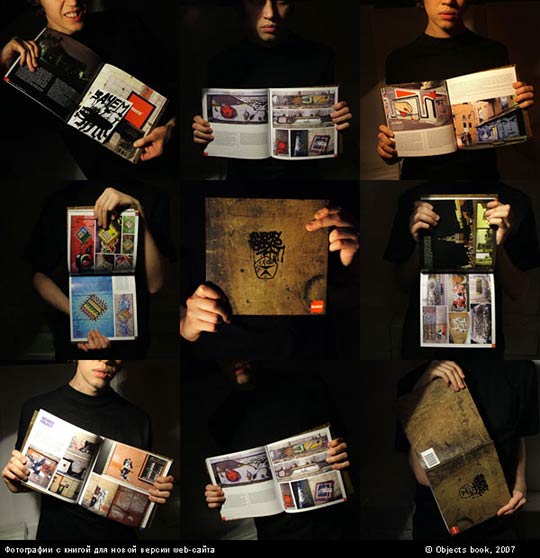
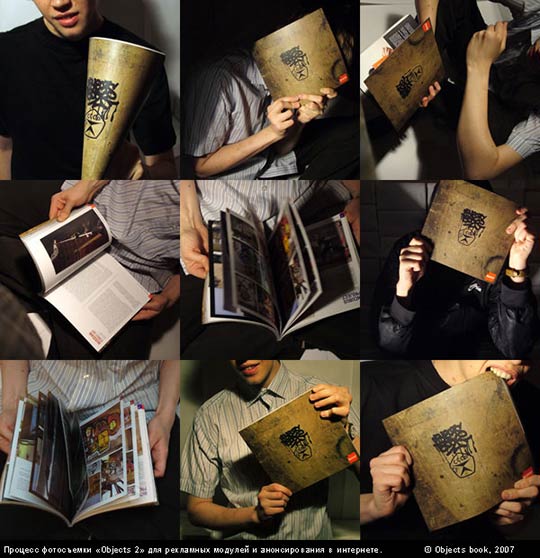
Igor who was the chief editor of Objects 2 offer us the PDF file of his sold-out book.
It is a great opportunity to discover or know more about the Russia street-art scene.
??????? ??????? !

Igor is working on a 3rd book about 3D objects and installations in the street.

Objects 2 – Pdf file 20mb

edit [march 2009]: the 3rd book is out !

Comments 5 Comments »

Home Contact About Gallery Tags Blogs Forum Wallpapers Links